The most common question I am asked as a vegan is; “How do you get all the nutrients that you require?”
Truth be told these questions are normally asked in a bit of a ‘you must be fucking looney’ tone by overweight, pasty faced, unhealthy looking human beings.
The knee jerk reaction is to retort; “Do you as a carnivore know for certain that YOU are getting the correct nutrients that you need to lead a healthy lifestyle?”
But – as a kinder human I bite my tongue until I can taste the salt and answer thus; “By eating a variety of foods including fruits, vegetables, legumes, nuts and seeds, soy products, and whole grains. I also pay close attention to getting enough protein, iron, calcium, vitamin D, vitamin B12, and omega–3 fatty acids.”
If I had to eat 6 different edible plants every day from now on it would take me over 9 years to sample every single one of the over 20 000 edible plants available.
If a carnivore had to do the same it would take them two days to sample every one of the 12 common types of meat available.
To coin a phrase – the world is a Vegan Paradise.
Aeroponic Unit and Smartphone App control unit
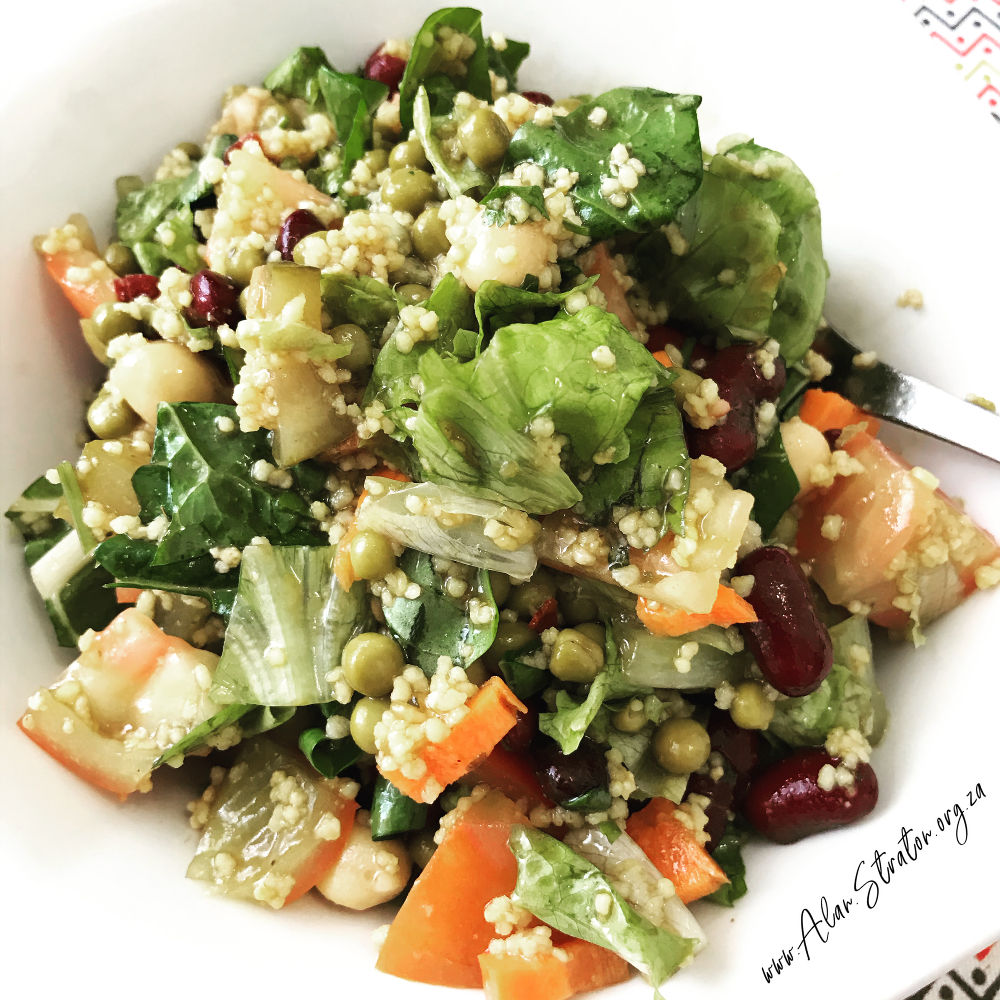
If you scroll down a bit you will find my go to quick fire vegan meal that provides me with more than enough protein, calcium and other stuff for the day.
AND the big plus for this meal is that I save on electricity – no cooking PLUS many of the ingredients come straight out of my garden and off of my Aeroponic Grow Unit.
The main questions around being vegan center on the assumption being that you must eat animal products in order to get all your nutrition, fiber and vitamins. I get asked these time and time again:
1. Where Do You Get Your Protein?
I obtain my protein from foods like tempeh, tofu, plant protein powders, nuts, seeds, spirulina, hemp seeds, peas, spinach – the list is endless.
2. Where Do You Get Your Calcium?
Cow”s milk isn’t the best source of calcium as we were once taught. Originally, cows would eat grass and obtain minerals that way, but they are now fed diets high in processed corn and soy to fatten them up, therefore calcium is actually added back in after pasteurization of the milk. This process is no different than the type of calcium added to plant-based milks such almond, soy, and hemp milk which contain more calcium than dairy milk. In addition all leafy greens are loaded with calcium, not to mention foods like chia seeds, spirulina, broccoli, almonds, soy, most beans and legumes, and dried figs.
3. Do You Get Enough Iron?
Iron is also a mineral, so it also comes from the ground like calcium. As a sailor I follow the example of Popeye – he ate spinach because it is chock-full of iron and protein. Not only is spinach rich in iron, but so are foods like spirulina, chia seeds, prunes, raisins, and cacao – chocolate is actually good for you!
4. What About Omega 3 Fatty Acids?
Most people think that only fish can give Omega 3 Fatty Acids but Vegans get theirs from flax and chia seeds, walnuts and hemp seeds. Fish obtain their omega 3’s through algae, so it’s much easier to cut straight to the source and skip the mercury found in fish in the process. Algae supplements can be taken which have the recommended amounts of both DHA and EPA found in fish oil and fatty fish.
5. What Do You Eat?
If I had to eat 6 different edible plants every day from now on it would take me over 9 years to sample every single one of the over 20 000 edible plants available.
6. Where do you get your B12 from?
National recommendations for B12 intake per day vary significantly from country to country. The US recommended intake is 2.4 micrograms a day for ordinary adults rising to 2.8 micrograms for nursing mothers. The German recommendation is 3 micrograms a day. The South African Recommended Dietary Allowance (RDA) for persons over 19 years of age is 2.4 micrograms and 2.8 micrograms for pregnant and lactating women.
Cereals fortified with vitamin B-12 help – e.g Weet Bix and Oats. For example, a 3/4 cup serving of Kellogg’s Corn Flakes contains 1.5 microgram of B-12. As a diabetic I have to be wary of the sugar value in my cereals though.
Nutritional yeast contains vitamin B-12. Nutritional yeast provides a cheese-like flavor to foods. One tablespoon of nutritional yeast provides 4 micrograms of vitamin B-12. it can be sprinkled on popcorn for a tasty snack or in a vegan-friendly recipe.
Nori is a good source of vitamin B-12. This algae product is commonly eaten in Asian countries. The study recommends eating 4 grams of dried purple laver to meet the daily requirements for vitamin B-12 intake.
One needs to consume 50 grams of dried Shitake mushrooms per day to meet the daily requirements of vitamin B-12.
B12 Supplements are available in tablet and spray form for ‘Just in Case’.
Quick Nutritious Vegan Meal
All the vital nutrients in one bowl of my Quick Vegan Meal above are represented in the recipe below – nutritional information is provided for each ingredient:
Ingredients:
Chick Peas
Petit Pois
Red Kidney Beans
Beetroot
Gherkin
Olive Oil
Balsamic Vinegar
The ingredients below are from my garden:
Butter Lettuce
Baby Spinach
Basil
Coriander
Tomatoes
Carrots
Brocolli
Chili
Method:
Make the Couscous
Chop as desired
Toss and Mix
Dress with Olive Oil and Balsamic Vinegar with Himlayan Salt to taste
Let’s break down the nutrition information in each of the above ingredients:
1. Chickpeas per cup (165 grams):
Calories: 269
Carbohydrates: 45g
Fiber: 12g, 50% Daily Value (DV)
Protein: 15g
Fat: 4g
71% DV of Folate (Vitamin B9): A water-soluble vitamin that helps make DNA & RNA and metabolize amino acids.
28% DV of Phosphorus: A mineral that works with calcium to form calcium phosphate, the foundation of bones and teeth. Also plays a role in energy metabolism as part of ATP (adenosine triphosphate).
26% DV of Iron: A major component of hemoglobin, the proteins that make up red blood cells and carry oxygen around the body. This is a non-heme source, meaning it does not come from an animal. It is not absorbed as well as heme iron.
17% DV of Zinc: A mineral important in strengthening your immune system, healing wounds, and maintaining your sense of taste and smell.
13% DV of Thiamin (Vitamin B1): A water-soluble vitamin that turns your food (carbohydrates) into fuel (glucose). People at risk for deficiency include those with Crohn’s Disease, alcoholics, and those undergoing kidney dialysis.
11% DV of Vitamin B6 (Pyridoxine): A water-soluble vitamin that works behind the scenes as a coenzyme in many important reactions within your body, including protein metabolism and red blood cell formation, among countless other functions.
8% DV of Calcium: 1% of the calcium in your body plays a vital role in vascular contraction/dilation and nerve transmission and signaling. The other 99% supports teeth and bone structure and function.
2. Petit Pois Peas for a serving size of 125g:
Calories: 80
Calories from Fat: 4.5
Total Fat: 0.5g
Sodium: 300mg
Carbohydrates: 12g
Net carbs: 9g
Sugar: 6g
Fiber: 3g
Protein: 4g
Vitamin A: IU 300IU
Vitamin C: 12mg
Calcium: 20mg
Iron: 1.4mg
7. Balsamic Vinegar retains most of the nutrients of the grapes from which it is made. Rich in minerals, balsamic vinegar contains healthy level of calcium, iron, magnesium, phosphorus, potassium and manganese necessary to support a healthy daily value of good nutrients. Balsamic vinegar is loaded with antioxidants. Free radicals form in our bodies every day as a by-product of producing energy. Free radicals damage cell membranes and manifest themselves in terms of premature aging, hardening of arterial walls and cancer. Antioxidants from balsamic vinegar destroy these free radicals and prevent cells from being destroyed. Fights Cancer – The grapes from which balsamic vinegar is formed is known to contain a bioflavonoid called quercetin, which has antioxidant properties. Along with vitamin C, this antioxidant strengthens the immune system to fight cancer and other infectious diseases and inflammations. Balsamic vinegar also contains polyphenols which are anticancer agents. Reduces Risks of Heart Attacks – Balsamic vinegar is low in saturated fat and is believed to reduce cholesterol. Since it is low in sodium, it enhances heart health and reduces high blood pressure. Controls Diabetes – Research reveals that consumption of at least 5 teaspoons of balsamic vinegar a day enhances insulin sensitivity. The greater the insulin sensitivity, the better the diabetes control. Natural Pain Reliever – In ancient times, folk healers used this vinegar to relieve people of their body pain. Moreover, they also used balsamic vinegar to treat wounds and infections. The anti-bacterial and anti-viral properties in the vinegar healed wounds. Assists Digestion – The polyphenols in balsamic vinegar stimulate the activity of pepsin enzyme in the body. Pepsin is a digestive enzyme, which helps break proteins into smaller units (amino acids). These polyphenols also assist the intestine in absorbing amino acids quickly. Efficient amino acid absorption enables the body to utilize it for cell building, repair and other body maintenance work. Thus, balsamic vinegar aids the digestion process.
Protein: 0.67 g
Carbohydrates: 0.56 g
Fat – total: 0.14 g
Dietary Fiber: 0.34 g
Calories: 4.88
Of all of basil’s health-promoting attributes, its ability to inhibit cancer is the most heavily researched and probably the most interesting. By now it is common knowledge that a diet high in fruits and vegetables and low in animal-based foods contributes to a significant reduction in cancer risk.
11. Coriander – 16 grams:
Calories: 3.68
Fat: 0.083 grams
Carbs: 0.587 g
Protein: 0.341 g
Coriander (Cilantro) also has Anticancer effects, may be useful in th euse against Pain and inflammation, protect sthe skin against ultraviolet B (UVB) radiation damage, has Antifungal properties (e.g. Thrush) and is a Natural preservative.
12. Tomatoes – one cup:
Calories: 32
Water: 170.14 g
Protein: 1.58 g
Fibre: 2.2 g
Carbohydrate: 5.8 g
The broad health benefits of tomatoes:
Cancer: Tomatoes are an excellent source of vitamin C and other antioxidants. With these components, tomatoes can help combat the formation of free radicals. Free radicals are known to cause cancer. A recent study in the journal Molecular Cancer Research linked the intake of high levels of beta-carotene to the prevention of tumor development in prostate cancer. Tomatoes also contain lycopene. Lycopene is a polyphenol, or plant compound, that has been linked with one type of prostate cancer prevention. It also gives tomatoes their characteristic red color.
Blood pressure: Maintaining a low sodium intake helps to maintain healthful blood pressure. However, increasing potassium intake may be just as important due to its widening effects on the arteries.
Heart health: The fiber, potassium, vitamin C, and choline content in tomatoes all support heart health. An increase in potassium intake, along with a decrease in sodium intake, is the most important dietary change the average person can make to reduce their risk of cardiovascular disease. Tomatoes also contain folate. This helps to balance homocysteine levels. Homocysteine is an amino acid that results from protein breakdown. It is said to increase the risk of heart attacks and strokes. The management of homocysteine levels by folate reduces one of the risk factors for heart disease. Not only is high potassium intake also associated with a reduced risk of cardiovascular disease, but it is also known for protecting the muscles against deterioration, preserving bone mineral density, and reducing the production of kidney stones.
Diabetes: Studies have shown that people with type 1 diabetes who consume high-fiber diets have lower blood glucose levels, while people with type 2 diabetes may have improved blood sugar, lipids, and insulin levels. One cup of cherry tomatoes provides about 2 grams (g) of fiber. The American Diabetes Association recommends consuming around 25 g of fiber per day for women and an estimated 38 g per day for men.
Constipation: Eating foods that are high in water content and fiber, such as tomatoes, may help hydration and support normal bowel movements. Tomatoes are often described as a laxative fruit. Fiber adds bulk to stool and is helpful for reducing constipation. However, removing fiber from the diet has also demonstrated a positive impact on constipation.
Eye health: Tomatoes can help protect the eyes from light damage. Tomatoes are a rich source of lycopene, lutein, and beta-carotene. These are powerful antioxidants that have been shown to protect the eyes against light-induced damage, the development of cataracts, and age-related macular degeneration (AMD). The Age-Related Eye Disease Study (AREDS) recently found that people with high dietary intake of the carotenoids lutein and zeaxanthin, both present in tomatoes, had a 35 percent reduction in the risk of neovascular AMD.
Skin: Collagen is an essential component of the skin, hair, nails, and connective tissue. The production of collagen in the body is reliant on vitamin C. A deficiency of vitamin C can lead to scurvy. As vitamin C is a powerful antioxidant, a low intake is associated with increased damage from sunlight, pollution, and smoke. This can lead to wrinkles, sagging skin, blemishes, and other adverse health effects of the skin.
Pregnancy: Adequate folate intake is essential before and during pregnancy to protect against neural tube defects in infants.
Carrots are an excellent source of vitamin A in the form of beta carotene. They are also a good source of several B vitamins, as well as vitamin K and potassium.
Broccoli is high in many nutrients, including fiber, vitamin C, vitamin K, iron, and potassium. It also boasts more protein than most other vegetables.
15. Chili – 15 grams) of raw, fresh, red chili peppers:
Chili peppers are rich in various vitamins and minerals but usually eaten in small amounts — so they don’t contribute significantly to your daily micronutrient intake.
Most of the carbohydrate in couscous is starch. There is no naturally occurring or added sugar in couscous unless you buy a flavored variety that has had sugar added as an ingredient.
Chief Cook, Bottle Washer and Broom Mechanic at MyPE
Passionate about Port Elizabeth and definitely NOT packing for Perth.
Alan's ethos is epitomised in the words of Nelson Mandela; "I have fought against white domination and I have fought against black domination. I have cherished the idea of a democratic and free society. If need be, it is an ideal for which I am prepared to die."
See more articles by Alan.