
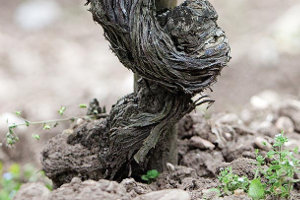
 If you ask a French person to translate the word terroir, their first response will likely be a long pause and a furrowed brow. Not because they’re unfamiliar with the term, but because there’s no word for it in English. Translating terroir requires the use of complete sentences.
Terrior is defined as the environmental conditions, especially soil and climate, in which grapes are grown and that give a wine its unique flavor and aroma. Also called goût de terroir which refers to the unique flavor and aroma of a wine that is attributed to the growing environment of the grapes.
CLICK Here to get free tickets to the TOPS at SPAR Wine Show.
Next time you take a sip of your favourite Chenin or Chardonnay, take a moment to taste its unique character, style and flavour. Apart from the same batches of wine in a particular vintage, no wine – including different harvests of the same label – is the same thanks to its distinctive terroir; a powerful recipe of geography, weather and Mother Nature.
With more than 2 000 types of wine grapes and a dozen farming methods, the world of wine is extensive and is the inspiration for The TOPS at SPAR Wine Show – an annual consumer exhibition of the mystery, history and alchemy of wine. Presenting hundreds of labels, cultivars, blends and vintages at The Boardwalk between the 4th and 6th of August, the event seeks to introduce wine lovers to the magical and diverse world of wine.
Here Editor of Wine Extra magazine and consultant to The TOPS at SPAR Wine Show, Maryna Strachan, explains the role that nature plays in the success of a wine and why it’s more often the result of a miracle, more than it is a science.
The basic process of winemaking: Viticulturists spend many years studying the science of wine-making. They know exactly what type of clone of grape will grow successfully in a particular soil type. They decide which slope of the hill is best and the ideal direction the vines should face, utilizing sunlight, sea breezes or wind shelter. Throughout the vine’s lifecycle they monitor pest control, irrigation (if any) and also pruning. Once the grapes are harvested the viniculturist takes over. The grapes are pressed to extract the juice and yeast is added to begin the fermentation process. This is officially when grape juice becomes wine. It is then transferred to oak barrels, stainless steel tanks or all kinds of amphorae, where it’s left to further ferment. In conventional vinicultural methods, sulphur dioxide is added once the wine is bottled, to help prolong its shelf life.
At which point does the magic happen? According to Maryna, the true magic occurs in the vineyards. Wine grown in the same soil, using the same techniques, can taste completely different year on year. Mother Nature plays a significant role here, so the temperature, rainfall, hail and other weather conditions both before, during and after each growing season affect the end-product quite dramatically. Grapes are generally harvested at certain sugar levels, also referred to as balling or brix. The higher the balling upon harvesting, the higher the alcohol levels tend to be, but harvesting a wine too early can lead to unwanted green and unripe flavours.
The taste illusion: One of wine’s best tricks is the illusion that you’re tasting elements not actually found in the wine. Grass and green peppers or coffee and cassis were not mixed with the soil or wine at all. These are the result of terroir meets varietal. Just the right amount of minerals in the soil, heat, wind, sun and rain can enhance the properties of wine. Inside the barrel, more flavour is infused into the wine and is influenced by the choice in cooper, the drying process of the wood, and how toasted the inside of the barrel was. Other elements such as harvest date, maceration time (a.k.a. ‘skin contact’), fermentation temperature, oak vs. steel tanks, and corks vs. screwcaps also contribute to a wine’s unique flavour.
Mother Nature’s role in winemaking. Wine is a manifestation of love from both nature and science. Our eco system is extremely sensitive and prone to environmental changes. All of this affects the quality of wine. It’s also why different methods of growing vines are being used around the world to create less of an impact on the environment and encourage a more natural approach to viticulture.
To learn more about the magic of wine – its provenance, art and science – visit The TOPS at SPAR Wine Show this August. Pop into The Weekend Post Wine Theatre for tutored tastings, meet the wine-makers to learn more about their signature style or simply taste and buy fine wines direct from exhibitors at cellar door prices and show specials. Tickets can be purchased pre-show for R120 from www.wineshow.co.za or at the door for R140. Price includes a tasting glass, all tastings, access to the Weekend Post Wine Theatre and a map to help navigate the show.
Free Wine Show Tickets
Correctly complete this form to be in the RUNNING to snag a set of free double tickets. The TOPS at SPAR Wine Show runs from 4 to 6 August 2016 at The Boardwalk, PE.


Alan Straton
Latest posts by Alan Straton (see all)
- South African Conquers Rats on the World Stage - 30 October 2026
- Old JPG on a Memory Stick? Vectorization Studio in Observatory Redraws Faded and Low-Resolution Logos by Hand - 30 October 2026
- ReAutomated Adds Robot Palletising and Case Packing Cells to Existing South African Packing Lines Without Stripping Out the Conveyors - 30 October 2026
- From a 5 KM Sprint to an Ultra: Punisher Sets Out Its Magaliesberg Obstacle Race Formats for First Timers, Teams and Fitness Clubs - 30 October 2026
- Rotary or Dual Action? Germiston’s Polisher Lists Its Machines, Buffs and Compounds for Car Paint and Metal Finishing - 30 October 2026
