
Today’s posts from our featured Port Elizabeth Blogger:
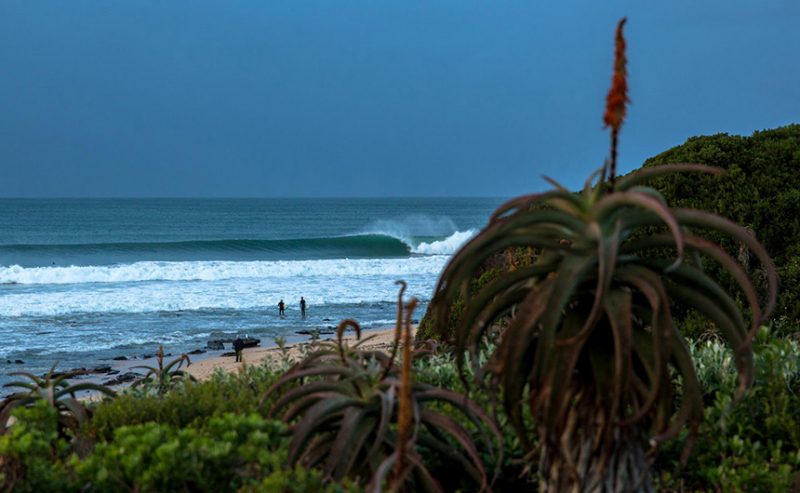
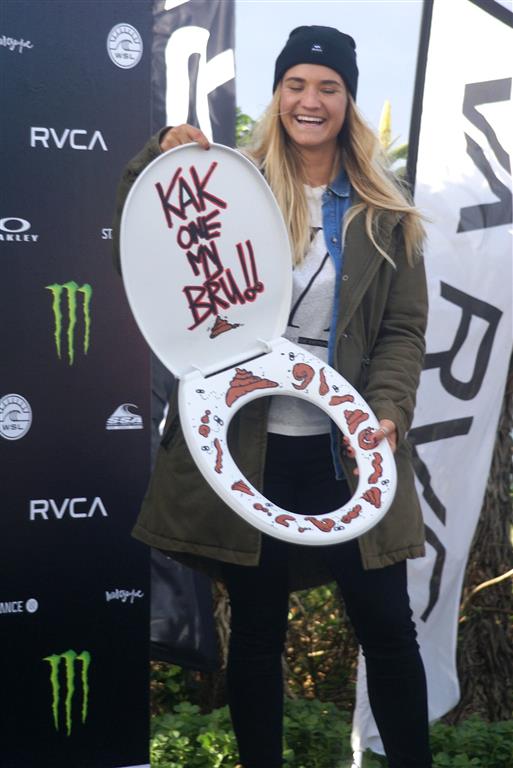
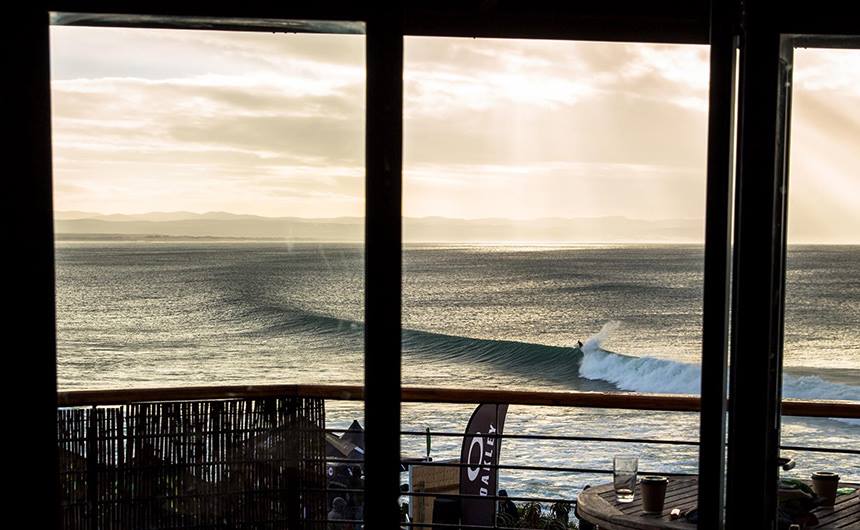
http://www.millerslocal.co.za/comp-news/steven-sawyer-wins-the-jbu-supertrial-presented-by-rvca
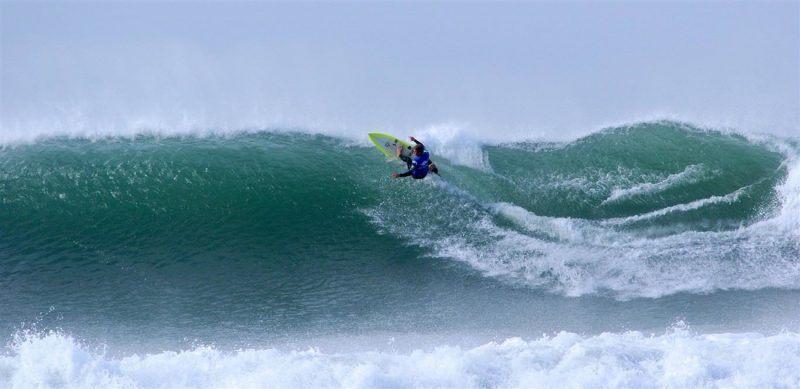
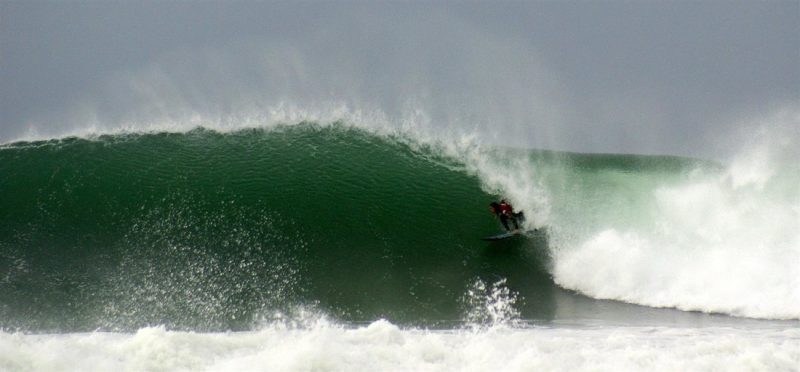
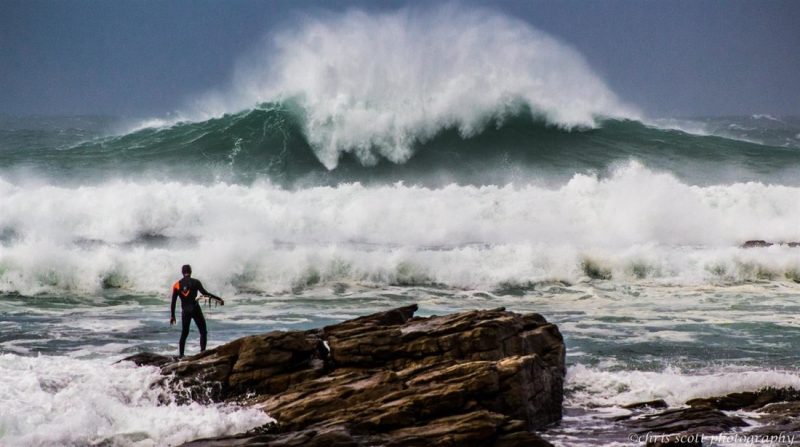

Source: Millerslocal.co.za – Millerslocal’s Blog.

Cos plastic ain’t fantastic!
More and more plastic waste is ending up in our oceans and seas. Due to the effects of weathering, sunlight and wave action, this plastic reduces to smaller particles – leading to serious pollution. The oceans occupy 72% of the earth’s surface and they are our principal source of oxygen.
Plastic in ocean environments is deadly for many marine animals and does not degrade biologically. Cos of the breakdown and fragmentation of it into smaller particles, ocean water has been transformed into a sort of global microplastic soup or Plastic Soup. Even worse is that toxins are released from the plastic. All sorts of organisms living in or off the sea – even the smallest of critters – can mistakenly chow the plastic debris and microplastic for food. This means that often toxic waste to enter our food chain. Eish.
For more than half the world’s population, oceans provide the principal source of food, so besides screwing with the environment, plastic marine pollution can be seriously damaging to our health. Most of the plastic pollution comes from land sources – being dumped by industries and cities, and finds its way to the sea via rivers, canals and harbors.
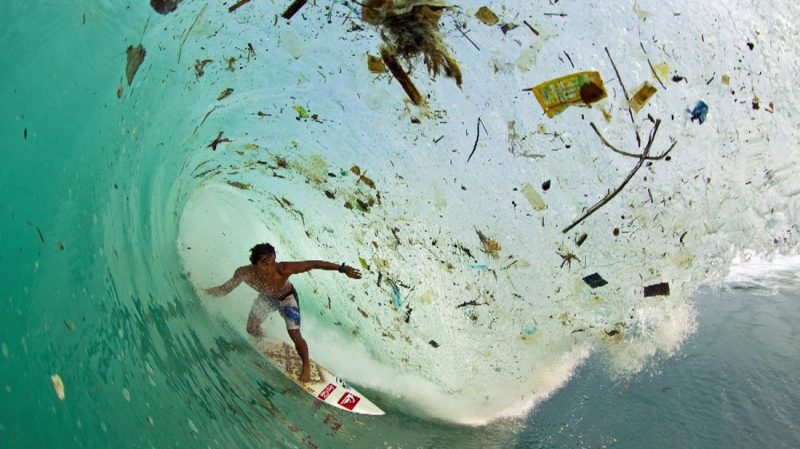
This is equivalent to five plastic shopping bags filled with plastic debris for every foot of coastline on Earth.
Plastic is gradually eroded into small fragments known as micro-plastics, which along with plastic pellets, are already found on most beaches worldwide.
The amount of plastic waste will be greater than the number of fish in our oceans by 2050, research by the Ellen MacArthur Foundation found in January.
Researchers estimate the amount of plastic in the ocean is set to increase ten-fold by 2020.
More than five trillion pieces of plastic weighing over 250,000 tonnes is afloat in the sea, according to a study published in the scientific journal Plos One.
The Great Pacific Garbage Patch is a vast gyre of marine debris in the North Pacific Ocean, but while the term is widely used, it is not entirely accurate. Marine debris concentrates in various regions of the North Pacific.
Eighty percent of marine pollution comes from the land, according to the National Oceanic and Atmospheric Administration.
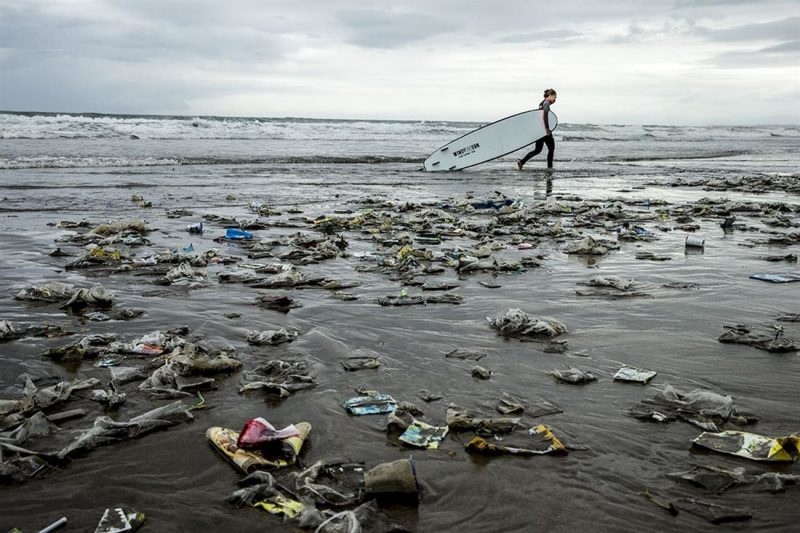
Let’s keep it simple. You can save the ocean’s one bag at a time. Just make the commitment to stop using plastic bags, and make the effort to take re-usable cloth bags to the shop with you. That’s one less bag in the ocean. Every time you shop.
After every surf, grab a piece or three of litter as you walk back up the beach to your cabbie. That’s one (or 3) less pieces of plastic or rubbish that’ll end up in the sea.
Every lil bit helps, and if everyone does a little bit it can end up having a big impact.
#Maketheeffort
Source: Millerslocal.co.za – Millerslocal’s Blog.
Click HERE to submit your blog to be part of this daily feature.
CLICK HERE to get a daily digest of PE Goodness straight into your inbox with the MyPE Monday to Friday Newsletter.

Port Elizabethan
Latest posts by Port Elizabethan (see all)
- Why Fewer People Are Being Convicted for Commercial Crimes - 15 May 2026
- Urgent Call for South Africa to Support and Join Global Efforts to Phase Out Fossil Fuels - 15 April 2026
- Unfenced 6 SAI Army Base Outside Makhanda Claims Another Life - 20 November 2025
- Death Toll Rises From Makhado Bus Crash - 21 October 2025
- Law Clinics Flooded as Home Affairs Blocks Asylum Seekers From the System - 15 October 2025
