
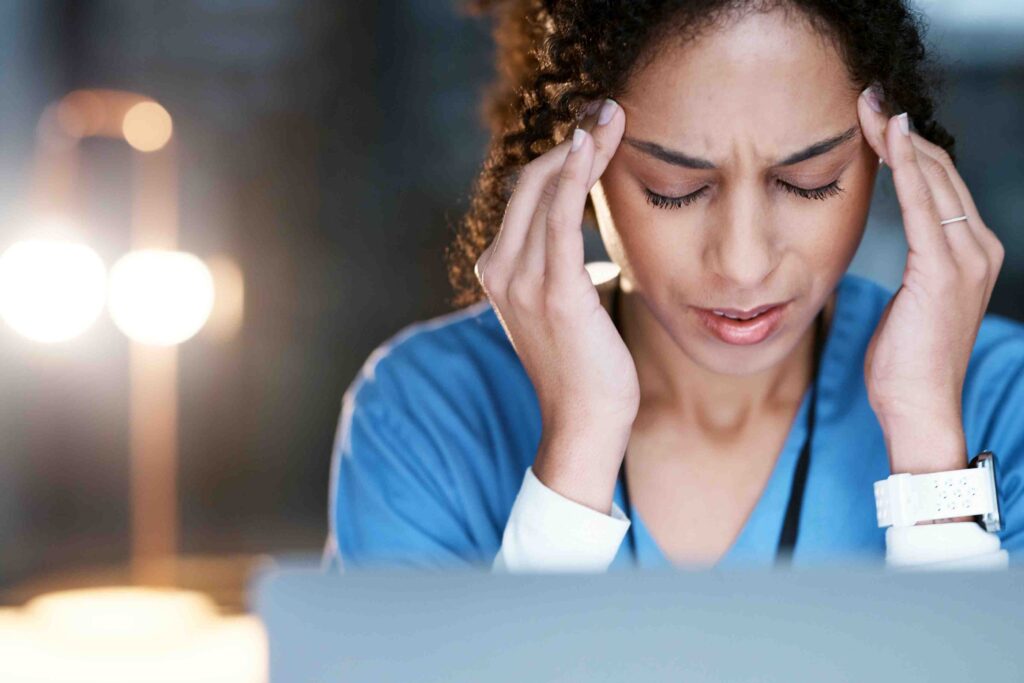
Migraines are much more than “just headaches”. They’re a neurological condition that can cause severe, throbbing pain, often on one side of the head, along with nausea, sensitivity to light or sound, and sometimes visual changes called auras.
“According to the World Health Organization (WHO), migraines are one of the most disabling health conditions worldwide, and women are affected far more often than men,” says Murray Hewlett, CEO of Affinity Health.
“Why? Because hormones, especially oestrogen and progesterone, have a big impact on how the brain and blood vessels respond to pain.”
If your headaches tend to get worse around your period, during pregnancy, or after starting hormonal contraception, you’re not imagining it. Hormones can strongly influence migraine patterns, and understanding this connection can help you manage your symptoms more effectively.
The Hormone–Migraine Connection
Hormones act as chemical messengers that regulate many of your body’s processes, including your menstrual cycle, mood, and energy levels. But fluctuations, especially in oestrogen, can trigger migraine attacks.
Oestrogen affects the brain’s chemistry, influencing serotonin levels, which are closely tied to migraine activity. When oestrogen levels drop suddenly, it can lead to changes in the brain’s pain pathways and blood vessels, increasing the likelihood of migraines.
This explains why many women experience migraines:
- Before or during their period (known as menstrual migraines).
- When starting or stopping hormonal birth control.
- During pregnancy or after childbirth.
- During perimenopause or menopause.
Migraines and Menstrual Cycles
For many women, migraines are most common just before their period. This is when oestrogen levels fall sharply, often triggering head pain. These are known as menstrual migraines and tend to be more severe and longer-lasting than other types.
Some women find that migraines disappear during pregnancy, when hormone levels stabilise, while others may experience them more frequently. After giving birth, oestrogen levels drop again, which can bring migraines back, often combined with stress and lack of sleep.
Hormonal Birth Control and Migraines
Starting hormonal contraception can also impact migraine frequency and severity. Combined oral contraceptives (which contain both oestrogen and progesterone) can sometimes help regulate hormones and reduce migraine episodes. Still, for others, they can make symptoms worse, especially during the “pill-free” week when hormone levels dip.
If you already experience migraines, it’s important to discuss this with your doctor before starting or changing contraception. Some women who experience migraines with auras (where vision is affected) may be advised to avoid oestrogen-based pills, as they can slightly increase the risk of stroke.
The Role of Perimenopause and Menopause
As women enter their 40s and 50s, hormonal fluctuations become more unpredictable. During perimenopause, oestrogen levels rise and fall unevenly, which can lead to more frequent migraines.
Once menopause begins and oestrogen stabilises at a lower level, migraines often become less severe or disappear altogether. However, for some women, hormone replacement therapy (HRT), used to ease menopausal symptoms, may trigger migraines depending on the dose and delivery method.
Low-dose transdermal (skin patch) oestrogen is often less likely to cause migraine flare-ups than oral tablets, as it provides a steadier hormone level.
Recognising Migraine Triggers
While hormones play a significant role, they’re not the only cause. Migraines are often triggered by a combination of factors, including:
- Stress or lack of sleep.
- Dehydration.
- Skipping meals or fasting.
- Bright lights or strong smells.
- Caffeine or alcohol.
- Certain foods, such as aged cheese, chocolate, or processed meats.
Managing Hormone-Related Migraines
There’s no one-size-fits-all cure, but several strategies can help reduce the frequency and severity of migraines:
- Track when your migraines happen, especially around your period or after medication changes.
- Eat balanced meals and try not to skip any.
- Drink at least 6–8 glasses of water a day.
- Stick to a regular sleep schedule and aim for quality rest.
- Do gentle activities like walking, swimming, or yoga to boost blood flow and reduce stress.
- Use mindfulness, deep breathing, or relaxation exercises to help prevent migraines.
When to See a Doctor
If your migraines are becoming more frequent, severe, or are interfering with your daily life, it’s important to seek medical help. Warning signs that need urgent attention include sudden, severe headaches, vision loss, slurred speech, weakness, or confusion, as these could indicate a more serious condition.
The Bottom Line
Hormones and migraines are closely linked, especially for women, and changes in oestrogen can either trigger or relieve migraine attacks. By tracking your symptoms, managing your triggers, and working with a healthcare professional, you can find relief and improve your quality of life.
As Murray Hewlett, CEO of Affinity Health, concludes: “Hormonal changes are a natural part of life, but they shouldn’t control your wellbeing. With the right medical guidance and lifestyle adjustments, it’s possible to live fully and freely, even with migraines.”
Affinity Health helps people manage migraine and hormonal health through affordable, flexible cover that includes unlimited GP consultations, unlimited telephonic consultations with a nurse, doctor, or mental health professional (including acute medication where applicable), virtual telehealth access, and nationwide support from trusted medical professionals and private hospitals.
Links:
Boilerplate and Editor’s Notes.
More Info on Hormones And Migraines: What’s The Connection? here:
Twitter: https://twitter.com/APCPublishers
Facebook: https://www.facebook.com/apcpublishers/
CLICK HERE to submit your press release to MyPR.co.za.


Alan Straton
Latest posts by Alan Straton (see all)
- Dreyer Linen Readies Festive Tablecloths and Towels - 8 October 2026
- Loan on Cars Stays Open Seven Days a Week This October - 8 October 2026
- Freeman House Recovery Brings Addiction Care Outdoors - 8 October 2026
- Kaelo Destinations Spotlights Private Safari & Beach Homes - 8 October 2026
- The Gold Avenue Explains How Carat Shapes a Gold Jewellery Offer - 7 October 2026
