
In a bid to increase levels of global competitiveness, component manufacturers in the automotive hub of Nelson Mandela Bay have spent a week engaging with one of the world’s leading proponents of Total Productive Maintenance.
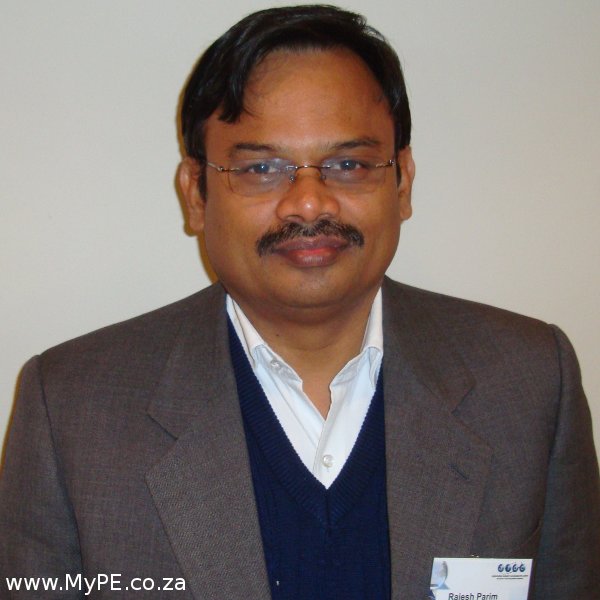
The Eastern Cape Automotive Cluster, which is pioneering the Total Productive Maintenance (TPM) approach to manufacturing in South Africa, has been undergoing intensive training with Automotive Industry Development Centre engineers and TPM expert Rajesh Parim, Principal Counsellor of the Confederation of Indian Industries and head of the Institute of Quality in India.
The programme which is the cornerstone of the burgeoning India and Japanese automotive industries is expected to bring substantial cost and production efficiencies to the South African sector and certify suppliers in TPM, one of the most highly regarded qualifications with global OEM’s currently.
Speaking to suppliers in Port Elizabeth this week Parim said TPM was an essential part of automotive sector efficiency.
He said like India, South Africa had to “deal with rising production and manpower costs” and that TPM was a strategic approach to addressing that.
Parim said traditionally 60-70% of the manufacturing workforce operates machinery but has little or no influence or ownership in the production system.
“What TPM develops is a thinking organisation where machine operators are able to do Kaizens and grow knowledge capital for their organisations which has clear and sustainable financial and production benefits.
“It is these benefits, created through total employee involvement in the production, not just supervisors, that has led to an increasing number of companies adopting a TPM approach globally,” Parim said.
The TPM programme was launched with the expectation that after full implementation machine stoppages would be reduced by up to 80% at participating suppliers and subsequently quadruple plant capacity.
Eastern Cape Automotive Cluster programme leader Gareth Fismer said the introduction for the first time in the country of Total Productive Maintenance (TPM) was “important for the automotive industry and the beginning of a journey that would drive down costs and increase the global competitiveness of suppliers.”
“This represents substantial cost savings – given that a single line stoppage creates significant losses in productive time, rejects, cost and delivery issues, especially when that delivery is just in time to a supplier or OEM,” he said.
AIDC Supplier Development Manager Lance Schultz said the programme was one of the first major initiatives of the Eastern Cape Automotive Cluster, established in March 2011 by industry and the Eastern Cape Province and “is aligned to Dedeat and the sector’s objectives in ensuring that suppliers continue to meet stringent standards.
“Ultimately this will grow EC competitiveness and underpins the continuation of the APDP.”
Editor: I had the great fortune to hear Rajesh speak at the South African Automotive Week and remain impressed at his blunt, succinct and highly informative style of presenting case studies.


Alan Straton
Latest posts by Alan Straton (see all)
- The Gold Avenue Tells Rolex Owners to Skip the Polish Before Selling - 10 November 2026
- From Busking to the Business of Music: MEX Opens New Doors - 10 November 2026
- South African Artist MARTHINUS Releases Debut Single - 6 November 2026
- MARTHINUS Releases Heartfelt Debut ‘i miss us not trying’ - 6 November 2026
- LaserWeeder Hire Runs Laser Units for SA Vegetable Growers - 6 November 2026
