
Affordability impacts the market:
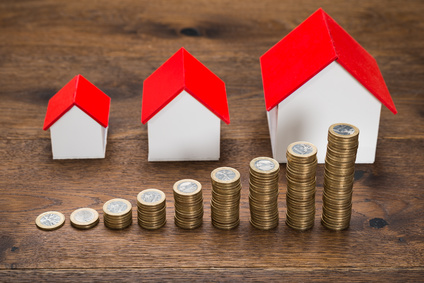 The South African Savings Institute (SASI) revealed that at the end of March this year the country’s official savings rate was 15%, household savings was 1.1% and the average household’s debt as a percentage of disposable income was 76.6%. These sobering figures point to the fact that as a country we have one of the worst savings rates globally.
“South Africa generally has a very poor savings culture, which impacts on many sectors of the economy. One would be tempted to think that the poor saving rate is due to low salaries and an inflationary cost of living, however, while these are contributing factors there are nations such as China and India that typically earn less, but are able to put away a higher percentage of their income,” says Adrian Goslett, Regional Director and CEO of RE/MAX of Southern Africa.
According to the SASI other factors that have impacted on the country’s saving rate have been low disposable income growth, low employment growth, a rising tax burden and a lack of confidence in the future.
Goslett says that the implications of a low saving culture at household level is that there is generally not enough funds to meet the necessary financial requirements of the household, whether it be for consumption or investment purposes. As a result, consumers are forced to borrow money, creating an endless cycle. The more that consumers borrow, the smaller their percentage of disposable income and the poorer their creditworthiness. According to SA government statistics, South African consumers are now borrowing more money than they are saving. Countrywide household debt has reached around 80% of total household income. This percentage includes aspects such as personal loans, overdrafts, credit cards, accounts and home loans. “Financial institutions will view consumers with low disposable income levels as risky, resulting in them either granting finance at a higher interest rate or not granting finance at all,” says Goslett.
He adds that if consumers want to get into the property market in the future, they will have to start changing their financial strategy and begin a savings plan of some kind. “The market is slowly shifting to favour buyers, however if they have not financially prepared, they won’t be able to make the most of the opportunities that will present themselves. In order to obtain the necessary finance to get into the property market, buyers will need to work on increasing their affordability levels by reducing debt and putting money aside. Buyers will need to have a personal financial plan in place to do this and achieve their homeownership goals,” says Goslett.
The reality is that in today’s market, prospective buyers will be required to have a deposit, along with enough savings to cover the associated costs of purchasing a home. “According to BetterLife statistics, from January to June this year, the average deposit amount required was between 19% and 23% of the property’s purchase price. Considering the fact that the average home purchased during this period was around R1.2 million, buyers needed to have at least R228 000 saved up, just to cover the deposit,” says Goslett.
Pre-recession approximately two thirds of bond applicants were approved for finance; however that number drastically decreased in 2008, with only around 28% of home loan applications received being granted. Today the number of approvals through bond origination companies has improved to around 51%, which indicates that finance institutions have an appetite for lending, but still adhere to a stringent approval process.
“An individual’s finances are closely scrutinised before credit is issued. Banks require a holistic view of the client’s credit history, the total amount of credit outstanding, as well as the applicant’s ability to pay debt off. This has made it vital for consumers to manage their debt responsibly and show the require affordability ratios,” says Goslett.
He adds that there are several ways in which consumers can cut back on living expenses and show higher levels of affordability:
- Consult with a professional financial adviser and planner, who can assist in formulating a personal finance plan
- Create a budget which includes a savings plan and stick to it
- Cut down on or cut out luxury and unnecessary expenses
- Compare prices – this will help you find the best value for items and services
- Whenever possible pay cash rather than charging on credit
- Review insurance policies and medical aids regularly to ensure you are getting the best deal available
- Go green – save on electricity and water costs by cutting down consumption
“Consumers who are able to reduce their household debt-to-income levels have an increased chance of showing the necessary affordability levels to purchase a home. While it may be difficult to adjust to a more restrictive financial plan at first, it will bring them a step closer to owning a home,” Goslett concludes.
For more information visit www.remax.co.za
CLICK HERE to submit your press release to MyPR.co.za.
Source: Port Elizabeth – MyPR.

Port Elizabethan
Latest posts by Port Elizabethan (see all)
- Why Fewer People Are Being Convicted for Commercial Crimes - 15 May 2026
- Urgent Call for South Africa to Support and Join Global Efforts to Phase Out Fossil Fuels - 15 April 2026
- Unfenced 6 SAI Army Base Outside Makhanda Claims Another Life - 20 November 2025
- Death Toll Rises From Makhado Bus Crash - 21 October 2025
- Law Clinics Flooded as Home Affairs Blocks Asylum Seekers From the System - 15 October 2025
